

Human Development and Relationships
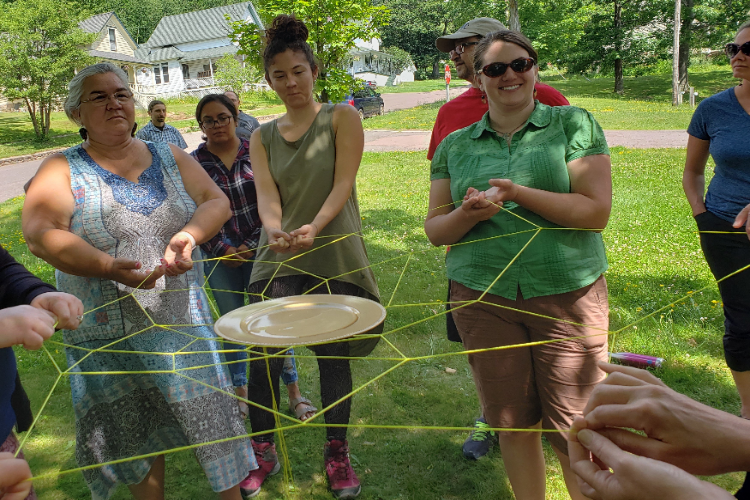
How does Wisconsin’s changing climate affect individual and family finances, child development, and older adult populations? Households can experience significant financial strain through pressures to their income and expenses. Climate hazards can cause widespread physical damage and force interruptions and closures of normal operations of businesses, governments, and other critical services. As a result, households can face financial strain from lost income and higher costs or reduced access across a range of consumer goods and services. Source: The Impact of Climate Change on American Household Finances. U.S. Department of the Treasury, Sept. 29, 2023
Extreme heat affects infants and young children more than most adults because their smaller bodies heat up more quickly, and they have less capacity to release heat via sweating. The biological systems that regulate body temperature in infants and young children are less developed and, therefore, less efficient. Infants and young children also can’t seek out cooler environments or get water to drink without relying on adults. Source: Extreme heat affects early childhood development and health. Center on the Developing Child, Harvard University.
Climate change is having an immediate and life-threatening impact on older adults (those age 65 and older). The majority of people who die in a disaster are older adults who couldn’t evacuate, couldn’t get the help they needed, or couldn’t withstand the power outages, extreme temperatures, or medical disruptions that followed the event. Source: Arigoni, Danielle. Climate Resilience for an Aging Nation. 2023. Island Press.

52 Ways to Hazard Proof Your Finances
Check out the “52 Ways to Hazard Proof Your Finances” publication and learn about key actions that individuals and families can take to increase financial resilience and reduce the potential financial burdens caused by climate change and extreme weather events.
Renter’s Insurance Factsheet
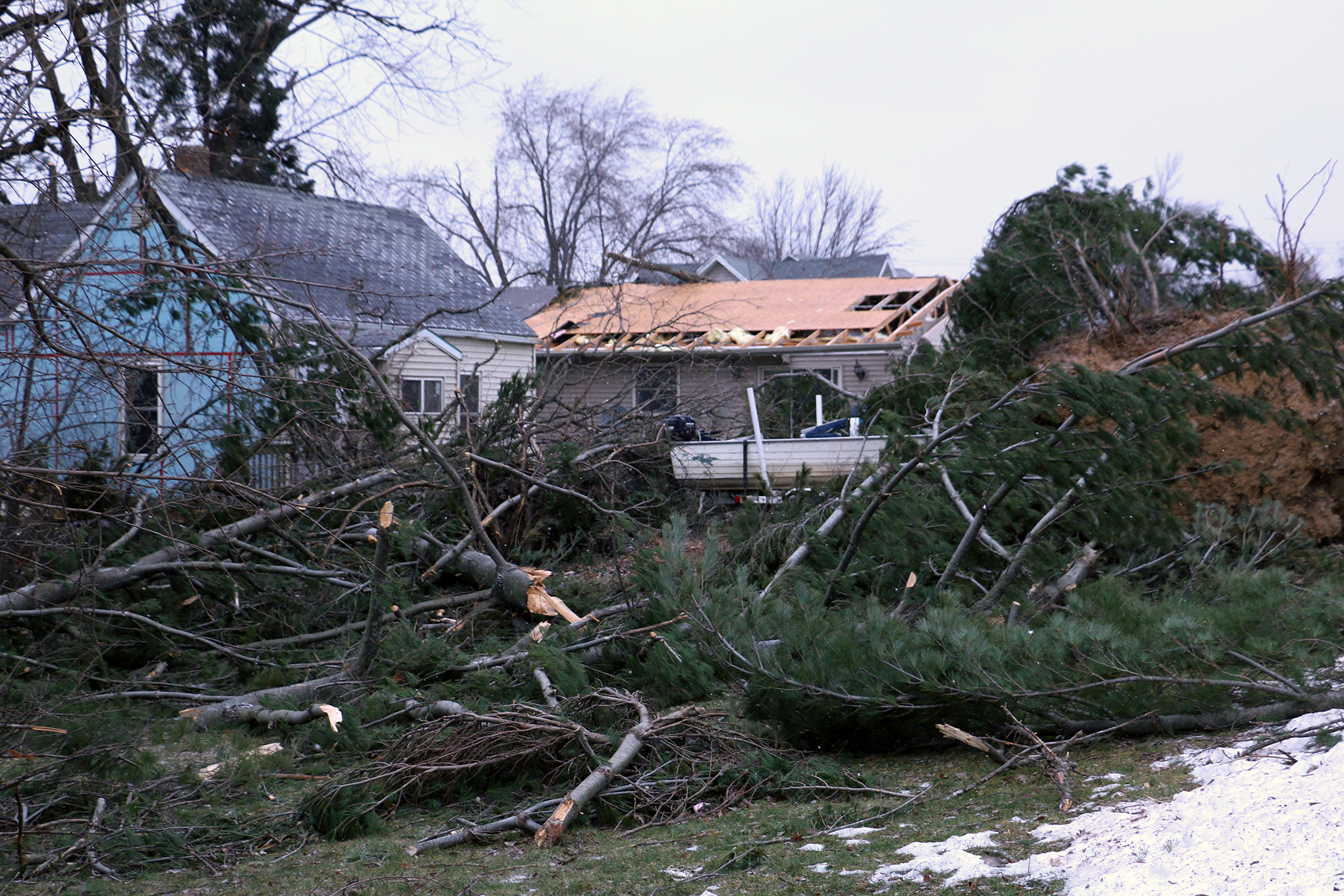
Renter’s insurance can protect you, the renter, when your belongings are damaged due to flooding, fire, or other events listed in the renter’s insurance policy. The “Renters Insurance Factsheet” offers important tips when considering renter’s insurance.

Keeping Your Financial Information Safe After a Disaster
Financial security planning should start before a disaster strikes, not after! The “Keeping Your Financial Information Safe Factsheet” provides practical steps to take now to insure that when a disaster strikes, your financial information is secure.
Everyday Readiness-Making a “Go-Bag” & “Stay Bin”
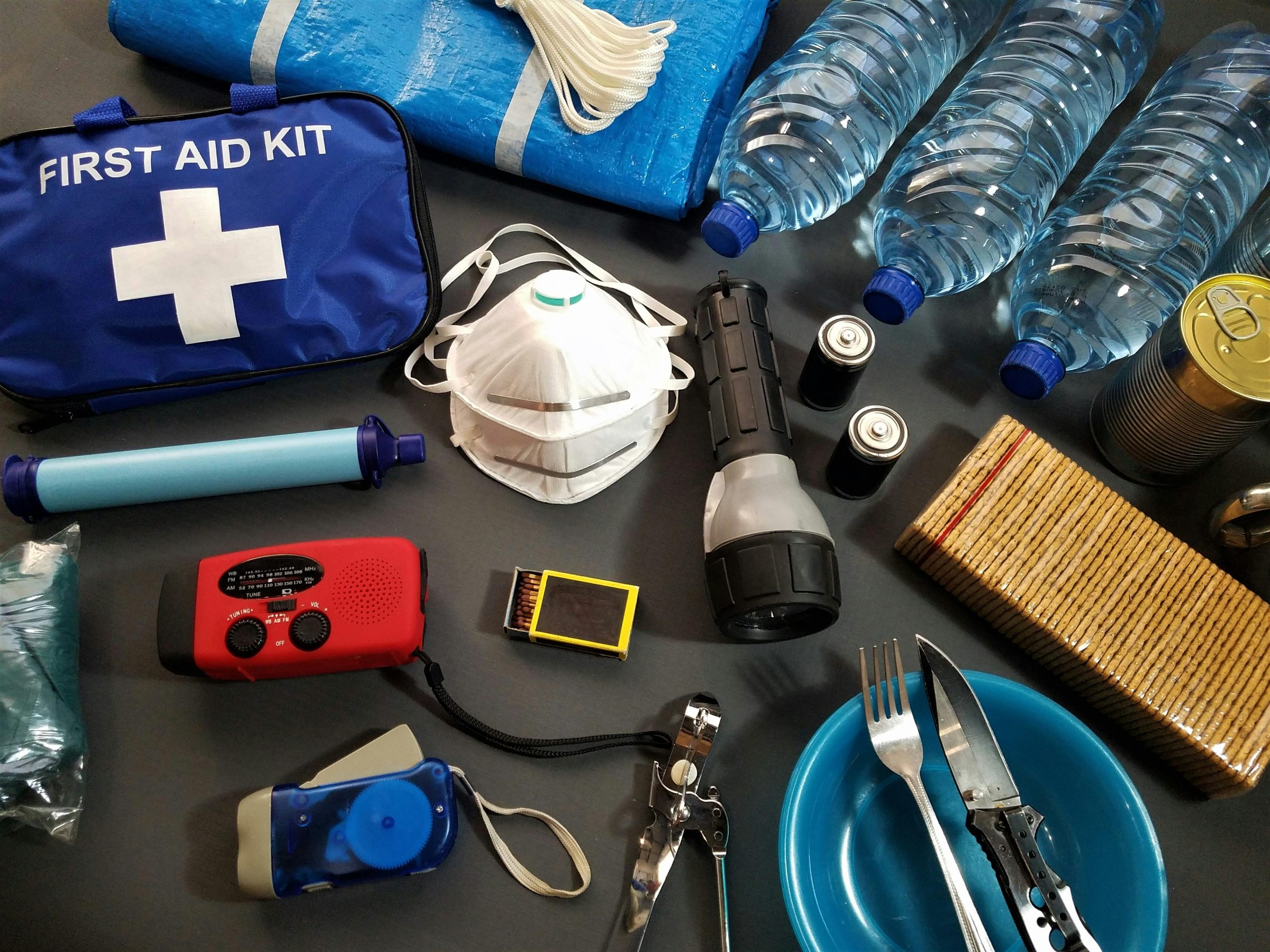
Odds are that you will be faced with the unexpected. The “Everyday Readiness Factsheet” will help you prepare essentials for a “go bag” to take with you, keep in your car, or a “stay bin” for your home to keep you and your family comfortable and safe in case of an emergency.
Want to explore more resources on parenting, family relationships, aging, and financial education? Click here to go to the UW Division of Extension’s Human Development and Relationships Institute webpage.

Need help finding something?
Click on the links below to navigate to the Wisconsin Climate Connections page where you can find more resources about: